In 2020, a “heinous, barbaric” motorway gang rape resulted in the arrest of 15 people and a national outcry demanding more justice for victims of sexual violence. Consequently, Pakistan passed the Anti-Rape Act of 2021. Today, survivors of sexual violence are seeing further progress with the establishment of Pakistan’s first Anti-Rape Crisis Cell (ARCC), which started in Karachi in 2023.
Thus far, the country has seen six institutions established nationwide, providing 24/7 access to medical treatment and psychosocial counseling, as well as legal guidance and forensic support. Besides Karachi, there are now cells in Islamabad, Lahore (two locations), Multan, and Rawalpindi. The cells themselves are located inside government-run hospitals and maintain direct ties to police reporting centers.
The initiative was made possible, in part, by support from U.N. Women and the U.S. Embassy’s Office of International Narcotics and Law Enforcement.
As a result, hundreds of survivors have received support from these cells since 2023, including 437 survivors (219 of whom were children) in 2024. And the need for these cells is undeniable, according to the Human Rights Commission of Pakistan, which documented 6,624 rape cases across the country—meaning that one woman was raped every 45 minutes.
Standardizing legal and medical procedures
As part of the Anti-Rape Act of 2021, medical and legal procedures for how to treat survivors of sexual assault were standardized across the country, and ARCCs are now mandatory in government hospitals.
Additionally, the 2021 legislation builds upon legal advancements from the Prevention of Electronic Crimes Act of 2016, which made blackmail, cyberstalking, and the non-consensual sharing of data crimes punishable with up to three years in prison and a fine of one million rupees.
Looking ahead
“The Anti-Rape Crisis Cells embody hope and resilience,” said Jamshed M. Kazi, U.N. Women Representative in Pakistan.
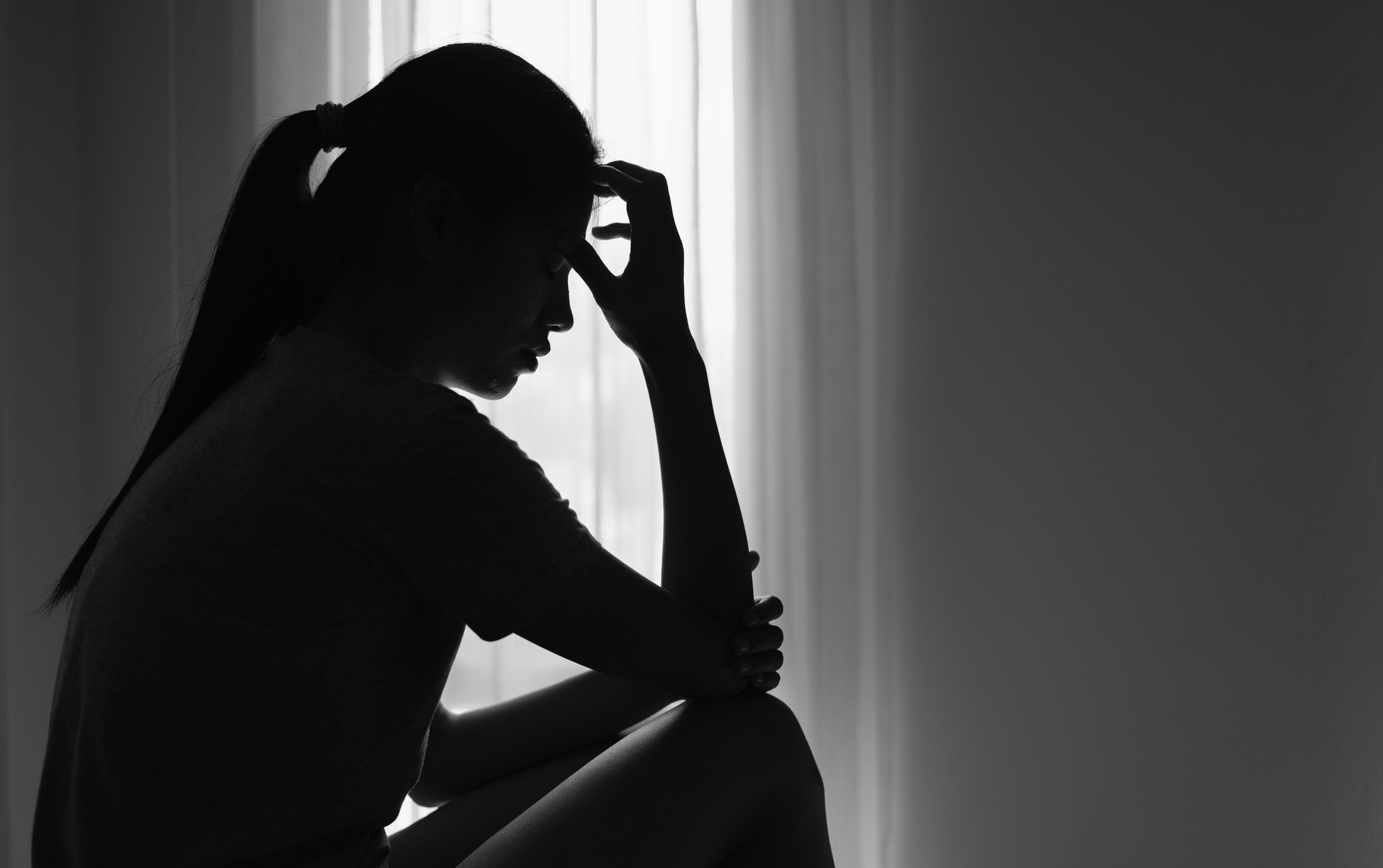
“No woman should ever endure what I went through. But if they do, I want them to know they are not alone,” added sexual assault survivor Nadia, whose name has been changed.
These advancements are even more important ahead of the “16 Days of Activism against Gender-Based Violence,” which runs from November 25 to December 10, and calls for the end of violence against women and girls. November 25 is the International Day for the Elimination of Violence against Women, while December 10 is International Human Rights Day.