
The KSE-100 Index, the primary benchmark stock market index of the Pakistan Stock Exchange, rose 43 percent in 2025—outpacing nearly every other Asian country.
Much of that growth comes from individual traders, who are choosing to invest in equities over other investment opportunities. Q3 saw the creation of 36,000 new individual trading accounts—13,000 more than those created in Q2.
“We’re now seeing a liquidity-led rally,” said Mohammed Sohail, Chief Executive Officer at Karachi-based Topline Securities Ltd. “Unless that liquidity finds a new avenue, the markets will likely stay strong.”
Prime Minister Shehbaz Sharif’s plan to privatize almost all state-owned enterprises has inspired more responsible fiscal management among the domestic firms who wish to acquire them. This, in turn, makes them more attractive targets for investment. S&P Global Ratings agrees, citing the Prime Minister’s policies as their rationale for promoting Pakistan to B– after almost three years rated CCC+.
Despite recent floods and May’s conflict with India, the government has maintained stable rule throughout the country, increasing investors’ confidence in companies. Bloomberg attributes investor confidence to the 27th Amendment to the Constitution, which elevates Field Marshal Munir to the position of Chief of Defense Forces until 2030, as a sign that the government is committed to long-term stability.
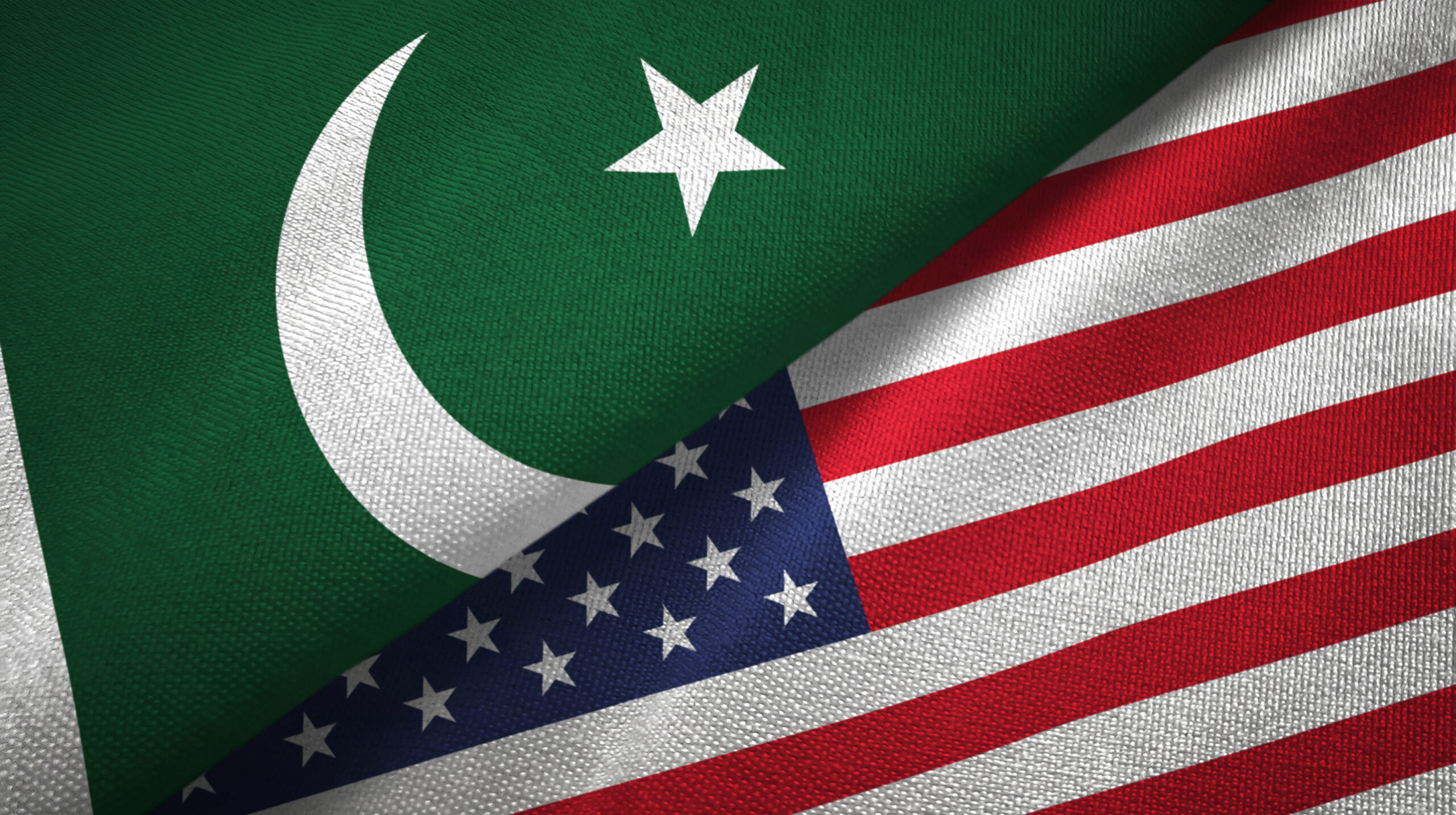
Another source of confidence is the cordial relations between Pakistan and the United States, easily the warmest in decades. These relations have already paid dividends; President Donald Trump modified his tariffs on Pakistan to be the lowest in South Asia.
Taken together, these factors have influenced investors—including a record number of first-time investors from within Pakistan—to invest in KSE-100 firms. Given that none of these factors is likely to change in the near future, even higher gains may be possible in Q1 2026.