As conflict in the Gulf region spikes global energy prices, Pakistan has an important economic buffer it can count on, thanks to large investments in solar energy. After the war in Ukraine began in 2022, Pakistan suffered a gas shortage, and millions lost electricity.
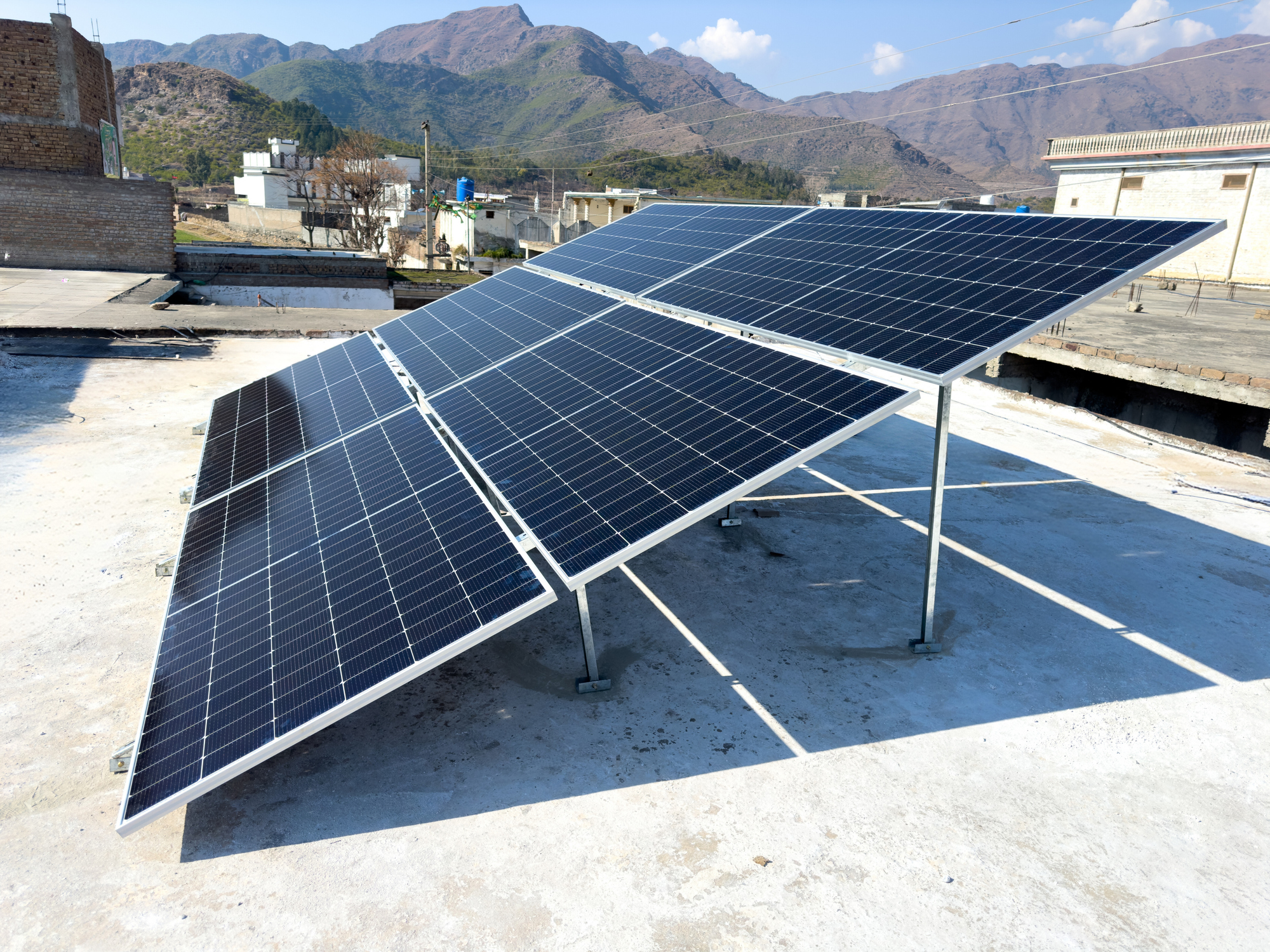
Since then, the Government of Pakistan has created incentives for people to buy solar panels, allowing excess power to feed back into the grid. Solar-generated electricity increased fivefold between December 2021 and December 2025, according to the think tank Ember. Nowadays, solar-generated electricity accounts for 20 percent of grid-supplied electricity in Pakistan.
The country’s solar boom has resulted in $12 billion in savings as of February 2026, by not having to import as much oil and gas. Many people have increasingly invested in rooftop solar panels for their homes, contributing largely to these savings.
Pakistan could save more than $6 billion in 2026 alone if this trend of investing in solar power and moving away from oil and gas continues, per a recent Renewables First and Center for Research on Energy and Clean Air report. Ultimately, Pakistan is well-positioned in the short-term to weather the storm of geopolitical instability impacting global energy markets.
As many countries around the world struggle to figure out how best to manage rapidly rising oil and gas prices, Pakistan’s investment in renewables serves as an example to others. Beyond this wise investment before the current crisis in the Gulf, the government of Pakistan, provincial governments, and institutions of higher education are also taking steps to ensure the country gets through this challenging time.
To save power, the government is having its employees engage in a four-day work week. Additionally, half of the federal government’s staff are on a rotating work-from-home schedule, and the government is recommending that private sector entities follow their lead. Additionally, online classes are now the norm for universities, and federal and provincial governments are also holding meetings online.
While this moment is proving challenging for many, Pakistan was well-prepared. Pakistan clearly benefits from investing in an economy that is ready to meet the energy needs of tomorrow.